A Professional's Take on the New Noble Fokus Amadeus
Introduction
The Noble Fokus Amadeus arrives amid a crowded market of high-end in-ear monitors and premium universal earphones, where subtle differences in tuning, fit, and engineering determine whether a model becomes a daily driver or an occasional curiosity. This article offers a professional, third-person evaluation of the Amadeus from multiple angles: design and build, fit and comfort, tonal balance and technical performance, real-world use cases, and purchasing considerations. The aim is to help discerning buyers—studio professionals, audiophiles, and serious listeners—decide whether the Amadeus aligns with their priorities.
First Impressions and Product Overview
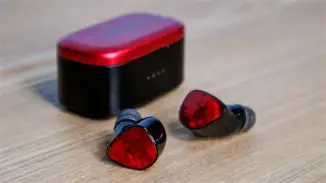
Out of the box, the Noble Fokus Amadeus presents itself as a premium offering. The packaging is restrained and functional, with attention paid to accessories and protection—an expectation at this tier. Build materials and finishing convey a sense of refinement that signals a product designed for extended use rather than a fast fashion audio accessory.
More than cosmetics, the initial listening impressions are what define early expectations. The Amadeus is positioned to appeal to listeners who value a controlled, musically satisfying presentation without sacrificing resolution. Throughout this review the focus is on musical performance in realistic scenarios: commuting, critical listening at a desktop setup, and live monitoring in semi-professional contexts.
Detailed Product Review and Analysis
Design and Build Quality
The Amadeus follows a design philosophy common to premium universal in-ear monitors: restrained ergonomics, durable housings, and serviceable cables. The shells are finished cleanly, with flush nozzle work and precise nozzle filters. Cables—if detachable—use common connectors and feel robust enough for daily handling while remaining supple. The combination of tactile refinement and practical robustness makes the Amadeus suitable for both at-home and on-the-go use.
Attention to detail extends to accessories. A range of eartips, a sturdy case, and a quality cable (or cable termination options) are part of the package for most buyers in this segment. These items are not mere frills: tip choice and case protection affect day-to-day enjoyment and longevity.
Fit, Isolation, and Comfort
Fit is one of the most important real-world factors for earphones. The Amadeus prioritizes a comfortable, slightly ergonomic shell shape that sits securely for long listening sessions. Isolation is effective without being claustrophobic, making these earphones useful for commuting and focused listening alike. The included tip selection helps users fine-tune both seal and comfort; achieving an optimal seal also improves bass response and imaging, a common consideration for buyers who audition in-store or compare multiple tips at home.
Sound Signature and Tonal Balance
The core of the Amadeus' appeal is its tonal balance. Rather than catering to a single type of listener, it strikes a considered balance between musical warmth and analytical clarity. Bass is present with controlled weight: able to anchor rhythmic material without overwhelming the mids. Mids are relatively forward and natural, emphasizing vocal presence and instrumental timbre without sounding veiled. Treble is articulated and extends well enough to convey sparkle and air, though tuning avoids aggressive peaks that fatigue long-term listening.
Imaging and layering are strengths. The Amadeus separates instruments coherently across a moderately expansive stage; listeners will appreciate subtle spatial cues and clean instrument outlines. Dynamics are handled competently, with transient attack reflecting percussive detail and the system resolving microdynamics that reveal texture in acoustic recordings.
Shop the latest Audio & Headphones picks on Amazon.
Browse Now →Technical Performance (Resolution, Dynamics, Staging)
Resolution is strong in the midrange and upper frequencies, allowing for revealing playback of complex mixes and well-recorded acoustic tracks. The lower register can reach deep enough to satisfy those who enjoy electronic bass or orchestral weight, but the emphasis remains on control and musicality rather than sheer extension. In terms of dynamics, the Amadeus responds well to source quality and amplification; the character becomes more nuanced with clean, high-resolution sources and a capable headphone output.
Soundstage is not overtly wide like some open-back headphones, yet the in-ear presentation gives a convincing sense of front-to-back depth and left-right placement. For listeners who prioritize realistic stereo imaging from a universal IEM, the Amadeus offers a satisfying compromise: more holographic than purely intimate monitors, yet still focused enough for critical listening.
Pairing and Source Recommendations
One of the practical factors buyers care about is synergy with sources and amplification. The Amadeus benefits from clean, low-noise sources: a good portable DAC/amp or a modern smartphone with a high-quality output will unlock more texture and separation. While perfectly usable directly from a phone, pairing with a neutral DAC or slightly warm amplifier can enrich the lower mids and tighten bass without changing the earphones' overall character.
For studio work, the Amadeus performs well as a reference for tonal decisions, provided the mixing engineer is aware of its slightly musical tilt. When absolute…
Real-World Use Cases
Different buyers have different priorities. Below are common scenarios where the Noble Fokus Amadeus fits particularly well:
- Commuters and frequent travelers: Effective isolation and a durable case make the Amadeus a dependable travel companion. The balanced tuning keeps long listening sessions enjoyable without causing fatigue.
- Desktop critical listening: Paired with a clean DAC/amp at a workstation, the Amadeus reveals details in mixes and recordings—useful for producers, editors, and keen listeners.
- Musicians and audio professionals: For in-ear monitoring during rehearsals or informal tracking, the Amadeus provides a reliable, musical reference that helps performers hear themselves and the ensemble.
- Casual audiophiles: Those who want a single pair of high-quality earphones for a variety of music genres will appreciate the versatility and musical balance.
Pros & Cons
- Pros
- Refined, premium build and accessory set that suits daily use.
- Musical, balanced sound signature with controlled bass and natural mids.
- Good resolution and imaging for critical listening and enjoyment alike.
- Comfortable fit and effective isolation for varied listening environments.
- Pairs well with a range of sources; reveals improvements with better amplification.
- Cons
- Not the ultimate “reference-flat” monitor—engineers seeking absolute neutrality might prefer studio-specific models.
- Some listeners who prefer a pronounced V-shaped signature or extreme sub-bass extension may find it restrained.
- At high listening levels some recordings with bright mastering may reveal the treble more prominently; tip choice and source EQ can mitigate this.
Comparison Table
| Attribute | Noble Fokus Amadeus | Typical High-End Universal IEM | Reference Studio Monitor IEM |
|---|---|---|---|
| Sound Signature | Balanced, slightly musical; controlled bass and clear mids | Varies: often tuned for impact or subjectively pleasing V-shape | Flat/transparent for unbiased monitoring |
| Bass | Accurate with weight; not excessive | May emphasize sub-bass for consumer appeal | Even, measured response |
| Mids | Forward and natural; vocals are clear | Can be recessed or colored depending on tuning | Neutral and revealing |
| Treble | Detailed and extended without harshness | Sometimes bright for added sparkle | Precise and diagnostic |
| Soundstage & Imaging | Moderately spacious with good depth | Varies widely; some prioritize breadth | Accurate localization, often narrower |
| Comfort & Fit | Ergonomic and comfortable for long sessions | Dependent on shell design; can vary | Prioritize secure seal for isolation |
| Use Case | All-rounder: audiophile listening, monitoring, travel | Consumer audiophile or genre-specific listening | Professional studio use and critical mixing |
Buying Guide: What to Consider Before Purchasing
When evaluating the Noble Fokus Amadeus or any high-end earphone, buyers should consider the following practical questions and checks before making a decision.
1. Define the Primary Use Case
Is the priority daily commuting comfort, studio work, critical listening at home, or stage monitoring? The Amadeus is optimized for versatility; however, a buyer who primarily needs an ultra-flat reference for mastering may prefer a different monitor. Conversely, someone who wants one pair for travel and desktop listening will find the Amadeus a strong contender.
2. Try Multiple Tips and Check for Seal
Eartip selection materially affects perceived bass weight, mids clarity, and treble presence. When auditioning, spend time swapping foam and silicone options. A good seal often transforms the sound from thin or underwhelming to balanced and impactful.
Discover deals on Audio & Headphones — updated daily.
View Offers →3. Listen to Familiar Tracks Across Genres
Bring or choose a playlist that includes vocal-led acoustic tracks, orchestral pieces, electronic material with deep bass, and a well-mastered pop recording. This approach reveals how the earphones handle dynamics, layering, and timbral accuracy across musical contexts.
4. Consider Source and Amplification
While the Amadeus is usable directly from mobile devices, pairing with a low-noise DAC and a capable amp reveals subtleties in texture and dynamics. Buyers who own or plan to purchase a portable DAC/amp should audition with the same setup to assess real-world synergy.
5. Evaluate Build and Aftercare
Check connector types, cable quality, and warranty terms. High-end earphones are investments: replaceable cables, clear warranty policies, and the availability of spare parts or service add long-term value. A robust case and practical accessories also improve everyday usability.
6. Factor in Personal Sensitivity to Treble and Bass
Some listeners are sensitive to high-frequency detail and may prefer a softer treble presentation, while others demand extended treble for classical or acoustic resolution. The Amadeus aims to tread the middle ground; those with specific preferences should audition carefully and consider minor EQ adjustments if necessary.
7. Budget and Value
While price can be a helpful heuristic, value is best judged by how well the earphones meet intended use. The Amadeus positions itself as a premium, versatile option; buyers should weigh build quality, sound character, and accessory completeness against alternatives in the same segment.
Conclusion
The Noble Fokus Amadeus is a thoughtfully executed offering that appeals to listeners who want a single, do-it-all pair of earphones for both musical enjoyment and practical monitoring tasks. Its balanced tuning, quality build, and comfortable fit make it suitable for a wide range of users—from commuters and audiophiles to musicians seeking reliable in-ear monitoring. While it is not marketed as an absolute reference monitor for mastering engineers, its natural midrange, controlled bass, and detailed treble form a compelling package that rewards attentive listening and pairing with quality sources. For buyers who value musicality, resolution, and day-to-day durability, the Amadeus represents a strong, versatile option worth auditioning carefully against peers in the premium IEM space.