Don't Buy Until You Read This: Kodak Ektar H35N vs Dwarflabs Dwarf Iii
Introduction
For photographers who still love the tactile satisfaction of film and the unpredictability of chemical photography, compact 35mm cameras occupy a special place: they are portable, quick to use, and often capable of beautiful results without a lot of fuss. Two devices that frequently show up in conversations among film enthusiasts are the Kodak Ektar H35N and the Dwarflabs Dwarf Iii. Both aim to appeal to buyers who want a pocketable film camera that punches above its weight, but they approach that goal in different ways.
This article looks beyond marketing blurbs to compare how these cameras perform in real-world shooting, what kinds of photographers will benefit from each, and the practical trade-offs buyers should weigh. It covers build and handling, image character, shooting features, typical use cases, and the pros and cons of each camera. A clear, no-nonsense buying guide follows so readers can match the right camera to their needs.
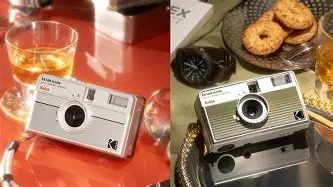
Kodak Ektar H35N — Detailed Review and Analysis
The Kodak Ektar H35N is positioned as a convenient, approachable 35mm camera for everyday use. It emphasizes simplicity and the kind of predictable results that are attractive to both newcomers to film and experienced shooters who want a reliable point-and-shoot for travel and street work.
Build and Handling
In practical use, the Ektar H35N feels like a modern compact: lightweight, with ergonomics designed for quick one-handed operation. Controls are minimal and intentionally so—the camera is built to get a user from point A to point B with minimal fiddling. The top plate and body materials lean toward plastic and lightweight alloys, which keeps weight down but can make the camera feel less “heirloom” compared with metal-bodied alternatives.
Shooting Experience
The Ektar H35N targets photographers who want a straightforward shooting session. The focus mechanism is typically zone or fixed-focus, and exposure tends to be handled automatically or semi-automatically, depending on the model’s features. For everyday snapshots—walkaround, travel, street photography—the camera is quick to deploy and forgiving of imperfect technique. When lighting gets tricky, built-in metering compensates for average scenes but sometimes gives conservative exposures in high-contrast situations.
Image Characteristics
Users report that the lens character is pleasing for everyday subjects: generally sharp in the center with a softer fall-off toward the edges, producing images that are flattering for portraits and lively for urban scenes. The overall look can be described as clean with a slight vintage warmth—something many buyers associate with classic film tones.
Reliability and Practicalities
Because it is aimed at accessibility, the Ektar H35N tends to be relatively easy to load and use with common 35mm film stocks. Battery dependency is usually limited to metering and flash; when those systems are off, the camera can still operate as a basic mechanical shooter if the design allows. Replacement parts and service can be mixed: being a modern production product often means parts are available through official channels, but long-term repairability varies by region.
Who Should Consider the Ektar H35N?
The Ektar H35N is best for people who want a grab-and-go 35mm camera that consistently delivers attractive images with minimal configuration. It’s well suited to travelers, casual street photographers, and anyone who wants a film camera in a compact, user-friendly package.
Pros & Cons
- Pros: Easy to use; pocketable and lightweight; consistent, pleasant image character; good for everyday shooting and travel.
- Cons: Minimal manual control for creative exposure; plastic-forward construction may feel less durable to some; metering can struggle in extreme contrast.
Dwarflabs Dwarf Iii — Detailed Review and Analysis
Dwarflabs is known in the analogue community for designing compact and characterful cameras that appeal to enthusiasts who want something a little different. The Dwarf Iii follows that ethos, aiming to combine a distinct aesthetic and tactile experience with thoughtful engineering that rewards deliberate shooting.
Build and Handling
The Dwarf Iii tends to emphasize a compact, solid feel. Many users appreciate a more substantial construction that still remains pocketable. Controls often put a bit more agency in the photographer’s hands—either through tactile shutter dials, selectable exposure options, or an intentional minimalism that invites a slower, more mindful shooting approach.
Discover deals on Cameras & Photography — updated daily.
Shop Amazon →Shooting Experience
Compared with simpler point-and-shoots, the Dwarf Iii often invites exploration. Its handling encourages street and documentary photographers who enjoy thinking about frame and sequence rather than relying purely on automation. The viewfinder and ergonomics are arranged to favor deliberate composition; the camera is not necessarily designed for frantic, split-second shooting but rather for thoughtful, portable photography.
Image Characteristics
Users frequently praise the Dwarf Iii for its lens personality: images can have a distinctive rendering, with pleasing micro-contrast and a filmic character that often looks more artisanal than clinical. That character helps make portraits and textured urban scenes stand out. The Dwarf Iii’s optical qualities are a main reason buyers choose it over generic compacts.
Reliability and Practicalities
Dwarflabs cameras are often produced in smaller runs and targeted at film enthusiasts. That can mean more attention to detail and finishing. However, smaller production scale also means that buyers should check local repair options and parts availability. Some photographers accept this trade-off for the camera’s personality but buyers who want guaranteed long-term service might consider it carefully.
Who Should Consider the Dwarf Iii?
The Dwarf Iii is ideal for photographers who prioritize image character and tactile experience—those who enjoy the process of shooting as much as the output. It suits documentary photographers, street shooters who choose moments carefully, and hobbyists looking for a compact camera with personality.
Pros & Cons
- Pros: Distinctive lens character; solid, compact build; encourages deliberate shooting and creative results.<…
Category Kodak Ektar H35N Dwarflabs Dwarf Iii Format 35mm (standard compact target) 35mm (compact, enthusiast-focused) Design & Build Lightweight, modern compact; accessible materials Solid, pocketable construction; attention to tactile details Shooting Style Grab-and-go, automatic-friendly Deliberate, creative, encourages manual decisions Controls Minimal; simple exposure systems More tactile controls; may offer increased manual input Lens Character Clean, pleasing everyday rendering Distinctive, filmic character with personality Metering & Flash Simple metering; built-in flash on many models Varies by version; may prioritize manual control over automation Serviceability Wider production support; parts more readily available Smaller-scale production; check local repair/parts availability Best For Travelers, casual shooters, beginners Enthusiasts, street/documentary shooters, creative hobbyists Real-World Use Cases
When choosing between these cameras, it helps to think in terms of concrete scenarios:
- Travel and Vacation: The Ektar H35N’s ease of use and pocketability make it a good companion for travel when the priority is capturing moments quickly without worrying about settings. It’s suitable for sightseeing, candid portraits, and family snapshots.
- Street Photography: A photographer who values discretion and quick reaction might prefer the Ektar for its simplicity, but a shooter who enjoys slower, considered sequences and the character of their images may prefer the Dwarf Iii.
- Portraits and Lifestyle: Both cameras can produce flattering results, but the Dwarf Iii’s lens character may lend portraits a more artisanal look that some buyers prefer for editorial and lifestyle work.
- Learning and Experimentation: Beginners who want to learn film basics without a steep learning curve will find the Ektar more forgiving. Intermediate users who want to experiment with composition and film choice may appreciate the Dwarf Iii’s encouragement of a slower workflow.
Buying Guide: How to Choose Between Them
Buyers should prioritize certain criteria based on how and where they plan to shoot. Consider the following factors before deciding.
1. Intended Use and Shooting Style
Decide whether convenience or character is the priority. If the goal is quick, repeatable snapshots during travel or gatherings, a camera designed for ease of use will be more satisfying. If the priority is creative control and a distinct image aesthetic, lean toward the camera that rewards deliberate shooting.
2. Manual Control vs Automation
Assess how much control the photographer wants over exposure and focus. Minimalist automatics are great when the user wants to focus on composition and moment. Cameras that offer more manual input support learning and creative experimentation but come with increased responsibility for setting exposure correctly.
3. Build Quality and Portability
If the camera will be carried daily, weight and comfort matter. A plasticky lightweight camera may be easier to pocket, while a slightly heavier, more solid camera can feel more pleasurable to use and may be more durable in the long run.
Looking for the best Cameras & Photography deals on Amazon?
Browse Now →4. Lens Rendering and Image Character
Look at sample images whenever possible. Lens character is subjective: some prefer clinical sharpness and neutrality; others prefer lenses that add warmth, micro-contrast, or vignette. The Dwarf Iii often attracts people who want their images to look “film-like” straight from the camera, while the Ektar tends toward reliable, consistent results.
5. Serviceability and Long-Term Support
Consider how easy it will be to repair or service the camera. Larger brands often have more established supply chains for parts and service; smaller boutique manufacturers may deliver superior attention to detail but can be harder to service outside specific regions.
6. Price and Availability
Prices fluctuate based on production runs and market demand. Factor in not only the purchase price but also film and processing costs for the kinds of projects the buyer plans to shoot. If cost predictability matters, choose the option that offers better known long-term support or a robust secondary market.
7. Try Before You Commit
Whenever possible, handle the camera in person or borrow one for a day. Shooting a roll of film is the best way to gauge whether the ergonomics and image character match expectations. Community meetups, camera shops, or local photo clubs often have gear to try.
8. Accessories and Workflow
Think about complementary items: cases, straps, filters, and flash accessories. Also consider where and how film will be developed. The best camera choice aligns with a workflow the user finds convenient and affordable.
Conclusion
Both the Kodak Ektar H35N and the Dwarflabs Dwarf Iii offer compelling reasons to buy, but they are aimed at slightly different audiences. The Ektar H35N is a go-to for photographers who want a compact, user-friendly camera that reliably produces pleasant images with minimal fuss. It is well-suited to travel, quick street work, and anyone who values convenience.
The Dwarflabs Dwarf Iii appeals to photographers who prioritize tactile experience and image character. It rewards a slower, more intentional shooting style and is ideal for those who want a compact camera with a distinctive aesthetic. Potential buyers should weigh the trade-offs in serviceability and automation before committing.
Ultimately, the right choice depends on whether the buyer values simplicity and immediate results or a more hands-on, character-driven shooting experience. Trying both in the field—loading a roll and seeing how each camera responds to the photographer’s workflow—remains the most reliable way to decide.