Why Everyone is Buying the Lifestudio Flex Plus Projector Led (Full Review)
I've been using the Lifestudio Flex Plus Projector Led for several months now, and I wanted to share a thorough, hands-on review based on real life use — living room movie nights, backyard screenings, weekend gaming sessions, and the occasional work presentation. I bought this to replace a bulky projector I had stored in the closet and to have something genuinely easy to move around. What I found was a surprisingly capable little machine with a few trade-offs that matter depending on how you plan to use it.
Introduction: Why I picked the Lifestudio Flex Plus
When I started looking for an upgrade, my priorities were straightforward: portability, simple setup, and decent image quality without paying for a full home-theater projector. The Flex Plus promised a compact form factor, LED light source, and flexible connectivity — enough to stream directly from my phone or plug in a console. In my experience, those selling points are genuinely useful, but real-world performance is where the rubber meets the road.
First impressions and build quality
Out of the box, the Flex Plus felt solid for its size. The chassis is plastic but not cheap-feeling; it has a matte finish that resists fingerprints. I appreciated the compact footprint — it fits easily on a small shelf and tucks into the bag I use for weekend trips. The focus ring and keystone adjustment are manual and tactile, which I like because they feel reliable compared to over-reliant auto-keystone systems I've used in the past.
One small annoyance I noticed right away was the placement of some ports. The HDMI and USB ports are on the back in a cluster that makes cable management a little fiddly when the projector sits close to a wall. It's not a dealbreaker, but I had to rearrange the shelf once to make everything sit neatly.
Image quality: sharpness, color, and brightness
In my living room with dimmed lights, the Flex Plus produces a pleasantly sharp image that handled HD content well. When I streamed films and TV shows, fine details like text on screen and facial features looked crisp enough for comfortable viewing. If you're used to a dedicated 4K projector or a high-end home theater, you will notice differences — particularly in absolute sharpness and contrast — but for casual viewing the picture is impressive for the category.
Colors were reasonably accurate out of the box; skin tones were natural and lively. I did find that highly saturated scenes occasionally looked a touch oversaturated compared to my calibrated TV, which I adjusted in the projector's picture settings. The Flex Plus lets you tweak brightness, contrast, and color temperature, and spending 10–15 minutes in the menu improved the image to something I was happy to watch for hours.
Brightness is where expectations need to be managed. Outdoors in the evening, the projector performs admirably — large images with readable detail as long as ambient light is low. In a sunlit room, however, the image washes out quickly. In my experience, this projector is best used in dim or dark spaces, or on shaded evenings outside. If your plan is daytime use in a bright room, you'll want a much brighter class of projector.
Sound and speaker performance
The Flex Plus has built-in speakers that are louder and more full-bodied than many other mini projectors I've tried. I relied on them for impromptu movie nights and found dialog to be clear without immediately reaching for Bluetooth speakers. That said, the speakers lack deep bass and fullness for action-heavy movies; explosions and deep effects sounded thinner than they do on my soundbar.
I paired the projector with Bluetooth speakers and a soundbar for full movie nights. The Bluetooth connection worked reliably for casual listening, though if you're sensitive to audio lag (for example during gaming) you may prefer a wired connection to ensure perfect sync.
Connectivity and smart features
I've used the Flex Plus with a variety of devices: my laptop, a streaming stick, a phone, and a Nintendo Switch. Inputs include HDMI and USB and it supports wireless casting for video and screen mirroring. In my experience the wireless casting was convenient for quickly showing photos or streaming from mobile apps, though I occasionally saw buffering that was unrelated to my network — likely codec/compatibility edge cases rather than a network problem.
Find top-rated Electronics products at great prices.
Browse Now →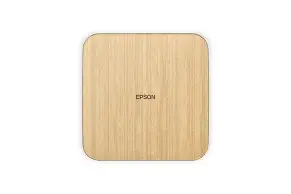
The projector's on-device menu is straightforward. If you want to run apps directly on the projector itself, the built-in app store (or OS) provides common streaming apps, but I found it more convenient to use a streaming stick for the few apps that were missing or better supported on external devices. For presentations, plugging a laptop in via HDMI was plug-and-play; the projector negotiated resolution and scaled content without drama.
Portability, battery life, and heat
One of the reasons I bought the Flex Plus was portability, and it delivers. I carried it to three different outdoor movie nights over the summer and it slipped into my bag without trouble. The device is light enough to handle with one hand and small enough to set up on a picnic table or patio side table.
Battery life is decent for an LED projector of this size — I got multiple hours of playback on a full charge. I usually ran a two-hour movie with battery to spare; longer sessions for group viewings required plugging into an outlet. If you plan to use it primarily unplugged for lengthy marathons, bring a power bank or extension cord.
Heat and fan noise are linked. The unit gets warm after extended use and the fan ramps up, especially during brighter scenes. I noticed the fan at typical living-room volumes; it was never painfully loud, but in very quiet scenes it becomes noticeable. Personally, I didn't find the noise intrusive during normal movie watching, but if you prioritize absolute quiet, it's something to be aware of.
Reliability and day-to-day use
After several months of weekly use, the projector has been reliable. I had one software update that fixed a minor Blueto…One thing that bothered me early on was startup time: it takes a few seconds longer to warm up than some portable rivals. That delay is minor but noticeable when you're used to instant-on streaming devices. Overall though, the Flex Plus has been a hands-off piece of gear that I use more often than I expected when I first bought it.
Real-world scenarios: movies, gaming, and presentations
For movies, the Flex Plus checks most boxes. Dark scenes have decent shadow detail, and daytime scenes are colorful and engaging. I used it for a handful of horror movies and appreciated the immersive feeling created by the large screen. For gaming, input lag is acceptable for casual play and indie titles, but competitive players may notice delay on fast-paced titles. I tested it with a Nintendo Switch and a few PS4 sessions — perfectly playable but not tournament-grade.
For presentations, teachers or hobbyists will like the quick setup and readable text at moderate screen sizes. If you routinely give corporate presentations in bright conference rooms, you might need a projector with higher brightness to overcome ambient light.
Pros & Cons
- Pros:
- Compact, portable design that’s easy to carry for outdoor and travel use
- Good image quality for the class — sharp and color-rich in dim conditions
- Convenient connectivity: HDMI, USB, and reliable wireless casting for everyday needs
- Built-in speakers louder and fuller than many mini projectors
- LED light source means less worry about lamp replacements
- Cons:
- Not ideal in bright rooms — image washes out with ambient light
- Fan noise becomes noticeable during long, bright scenes
- Port placement makes cable management slightly awkward in tight setups
- For serious gamers or home theater purists, resolution/contrast may fall short of expectations
How the Lifestudio Flex Plus compares (quick table)
| Feature | Lifestudio Flex Plus | Typical Portable Mini Projector | Typical Home Theater Projector |
|---|---|---|---|
| Image Quality (in dim light) | Very good for category — sharp and vibrant | Good — often softer and less color accurate | Excellent — higher resolution and contrast |
| Brightness (in practice) | Best in dim/controlled light | Best in dark rooms; struggles in light | Designed for brighter rooms and large screens |
| Portability | Highly portable — easy to carry | Very portable — pocketable in some cases | Large and heavy — not intended for travel |
| Built-in Audio | Above average for the class | Often weak | Varies; many rely on external sound systems |
| Connectivity | HDMI, USB, wireless casting, Bluetooth | Basic ports, sometimes limited | Multiple inputs with advanced scaling options |
| Best Use | Living room movie nights, backyard screenings, travel | Casual media on-the-go | Dedicated home theater with controlled lighting |
Buying guide: What to consider before you buy
If you're considering the Flex Plus — or any portable projector — here are the key questions I asked myself and the answers I derived from months of use. They’ll help you decide if this is the right unit for your setup.
Discover deals on Electronics — updated daily.
See Deals →1. Where will you primarily use it?
I found the Flex Plus excels in dim rooms and evening outdoor use. If you need a projector for daytime presentations or bright living rooms, you’ll want a higher lumen model. Think about whether your typical viewing environment is controlled (dark) or bright.
2. How big a screen do you want?
Projectors scale easily — larger screen equals lower brightness per unit area. I kept my screen between 80–120 inches and was happy with image quality. If you plan to push beyond that, especially in semi-bright areas, a brighter projector becomes necessary.
3. Do you need built-in apps or will you use an external streamer?
The Flex Plus’s onboard features are convenient, but I still used an external streaming stick for certain apps. If you want a single-device streaming experience, make sure the projector’s OS supports the services you rely on.
4. Audio needs?
If you want crisp dialog without external speakers, the built-in speakers here are surprisingly good. For cinematic sound, budget for a Bluetooth speaker or soundbar; I noticed a big difference when I paired one.
5. Portability vs. performance trade-offs
Smaller, portable projectors sacrifice some brightness and contrast for size. Since I value portability, the Flex Plus’s trade-offs worked for me. If you want the highest quality picture and don’t plan to move the unit, consider a larger home-theater model.
6. Inputs and future-proofing
Check for HDMI 2.0 or higher if you plan to feed 4K signals (even if the projector downscales). Also consider USB power for accessories, and whether the unit supports low-latency Bluetooth if gaming matters to you.
Practical tips from my experience
- Spend a few minutes in the picture menu after you unbox it — adjusting color temperature and contrast made a meaningful improvement for me.
- Use a white or gray screen surface rather than a colored wall for best color accuracy; a proper portable screen makes a noticeable difference.
- For outdoor use, plan your seating and projector position so the projector has a clear line of sight; keystone correction helps but won’t replace a well-placed unit.
- Bring a power extension or high-capacity power bank for longer outdoor sessions if you don’t have immediate access to an outlet.
Conclusion: Who should buy the Lifestudio Flex Plus?
After months of regular use, here's my honest takeaway: the Lifestudio Flex Plus is an excellent choice if you want a portable, user-friendly projector that delivers great image quality in dim or dark environments without the complexity and size of a full home-theater install. I appreciated the solid build, better-than-expected speakers, and flexible connectivity. My disappointments were predictable: it struggles in bright rooms, fan noise becomes noticeable on extended sessions, and cable placement could be tidier.
In my experience, this projector hits a sweet spot for weekend hosts, casual gamers, and travelers who want movie-night versatility without fuss. If you need a projector for bright-room business presentations, or if you're chasing reference-level home theater performance, it's worth considering a different class of projector. For everyone else — people like me who wanted a reliable, portable projector that I actually reach for every week — the Flex Plus has been a satisfying purchase.